Medical Centre Cleaning
Fast Deep Clean Essex
Medical Centre Cleaning Services in Essex
A CQC inspector doesn’t ask whether your building looks clean. They ask whether you can prove it was cleaned correctly, by trained people, to a defined standard, at a documented frequency.
Most cleaning contractors can’t help you answer that.
Fast Deep Clean provides specialist medical centre cleaning for GP surgeries, dental practices, private clinics and healthcare facilities across Chelmsford, Essex and London. Fast Deep Clean works to NHS cleanliness standards, with colour-coded systems, trained operatives and audit records that stand up to inspection.
How We Clean a Healthcare Setting
High-Touch Points, Prioritised
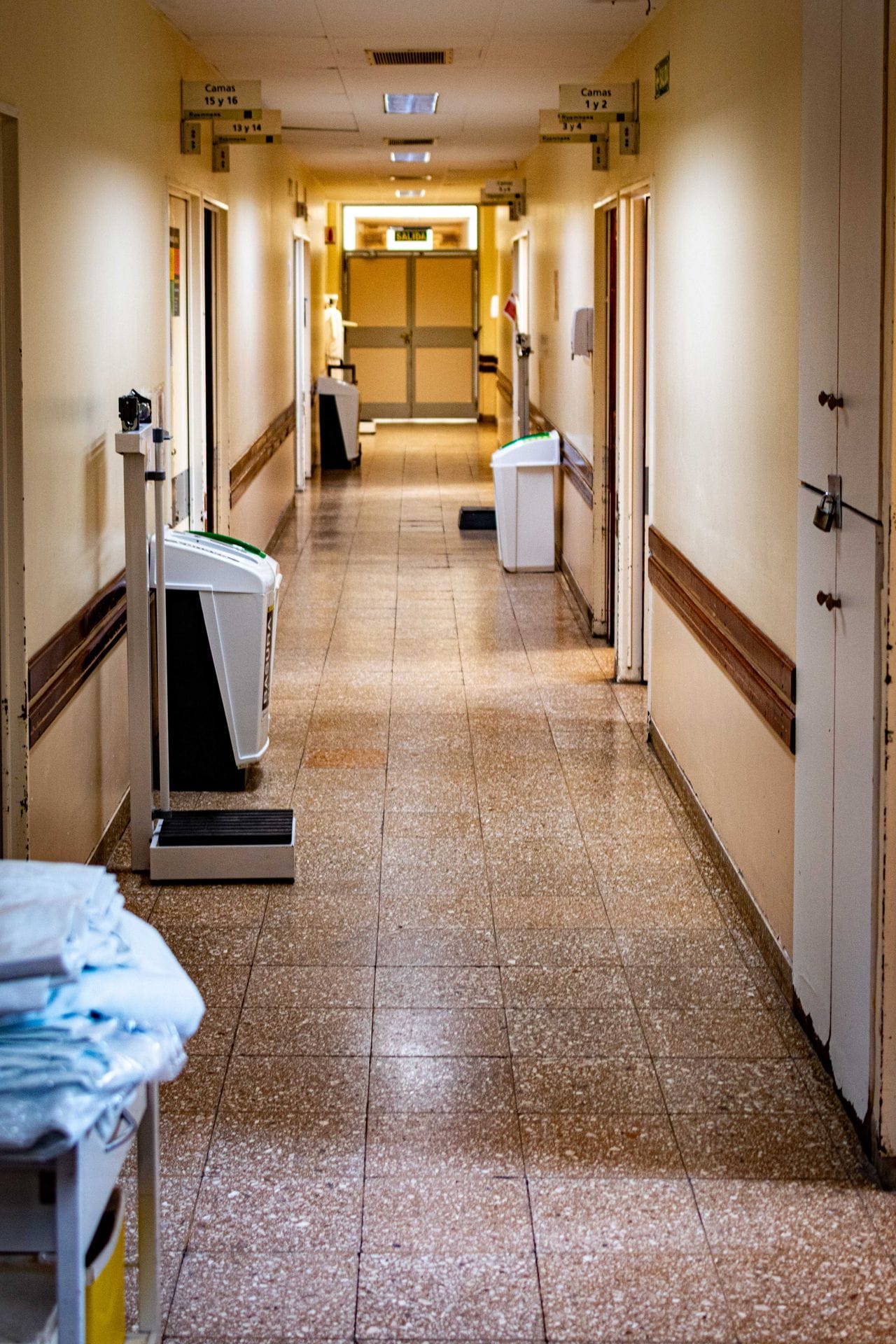
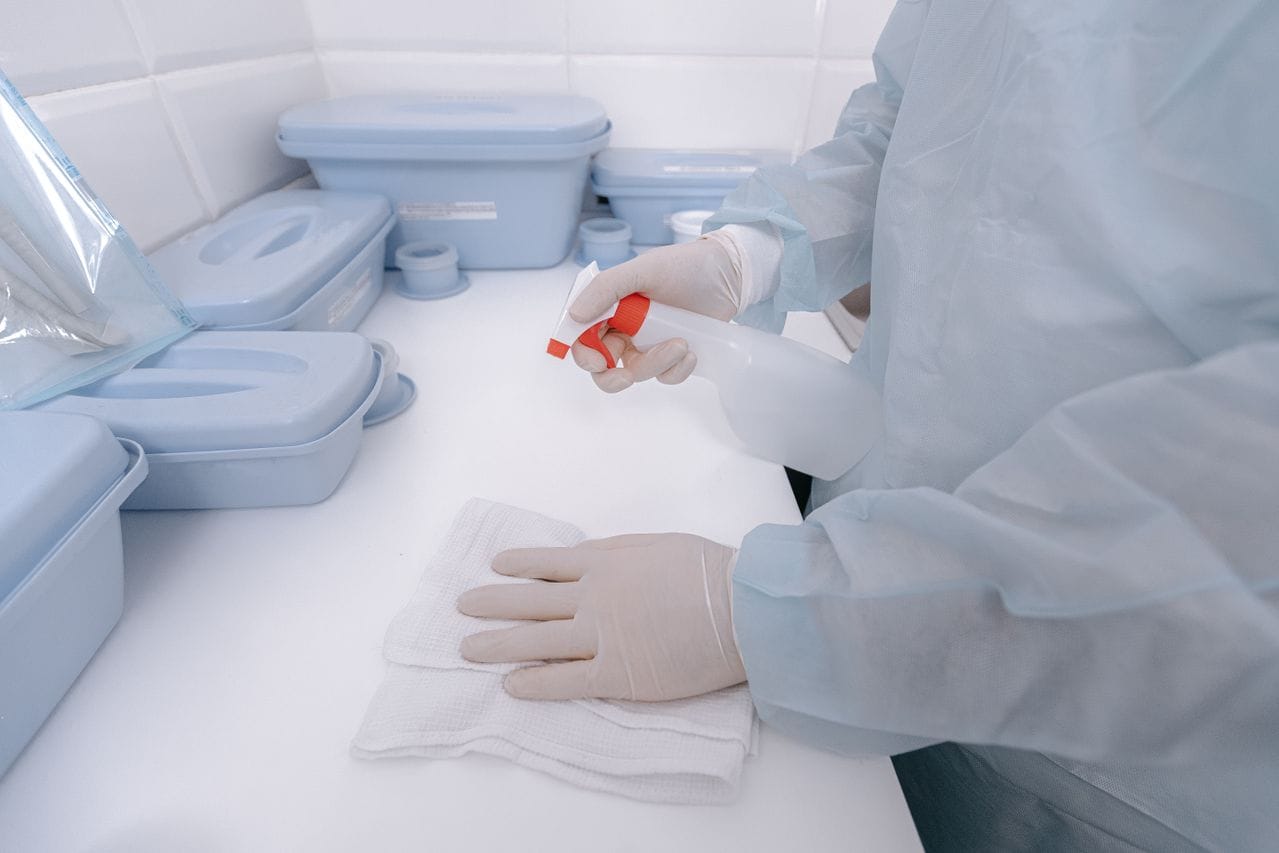
Door handles and push plates, light switches, taps, couch levers, blood pressure cuff stands, keyboards and phones at reception, card machines, chair arms in waiting rooms, toy areas, and handrails. These are cleaned at defined intervals throughout the day, not once overnight.
Clinical Rooms
Examination couches, sluice areas, sinks and splashbacks, worktops, trolleys, waste bin exteriors, floors including under and behind furniture, and wall surfaces to defined heights. Curtain and blind cleaning or change-out scheduled and recorded.
Waiting Areas, Reception and Washrooms
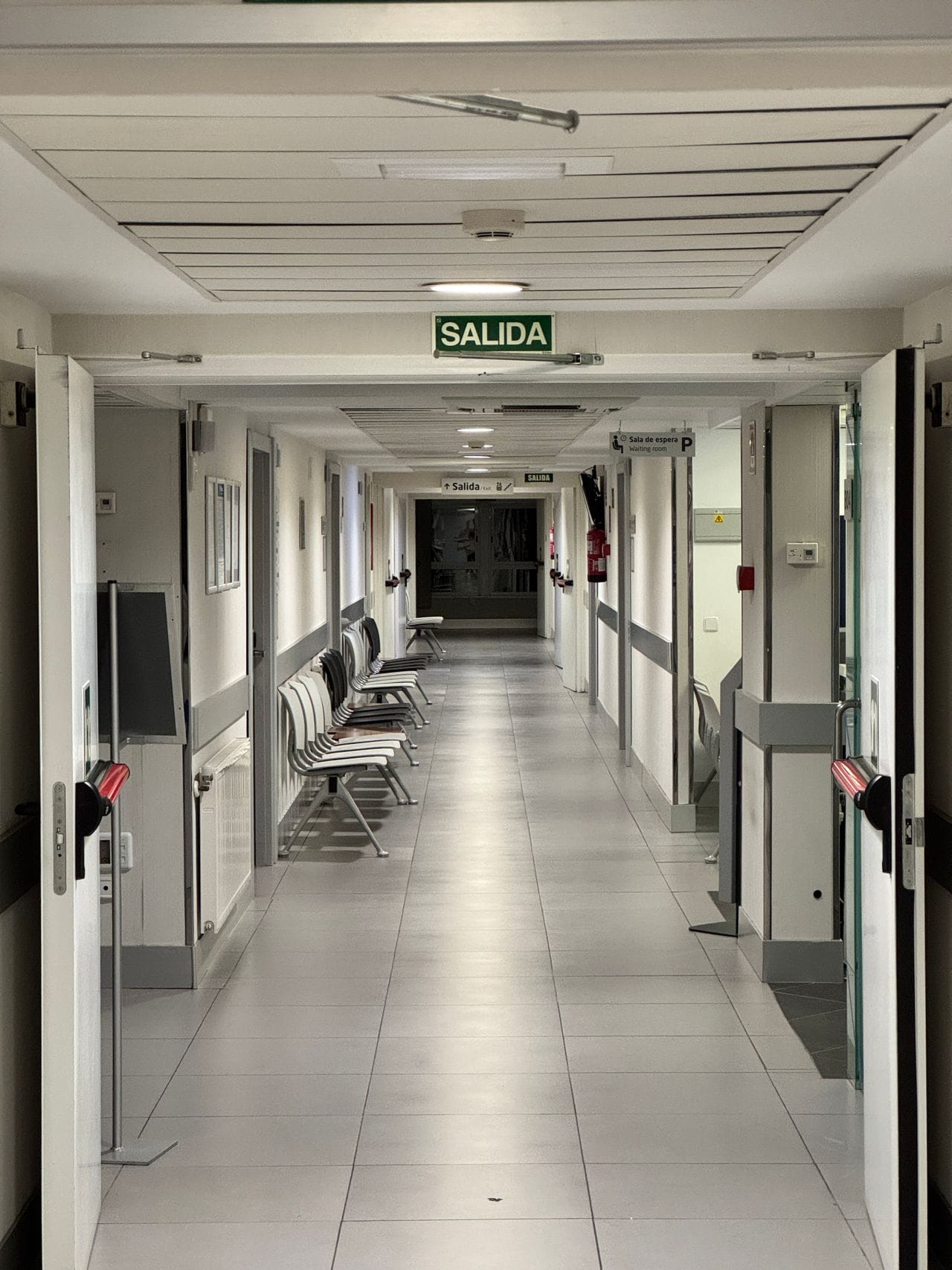
The areas patients form their judgement in. Upholstered seating cleaned and periodically deep extracted, hard floors machine cleaned, glass and screens kept clear, washrooms sanitised and consumables replenished.
Risk-Zoned, Not Generic
We classify every area of your building before we quote treatment and minor surgery rooms, consulting rooms, phlebotomy, waiting areas, reception, corridors, toilets, staff rooms and admin offices. Where required, our office cleaning services can also cover non-clinical workplace areas. You receive that classification in writing as part of your cleaning specification. It goes straight into your IPC documentation.
Colour-Coded Equipment, Without Exception
Separate, colour-coded cloths, mops and buckets for clinical areas, washrooms, general areas and kitchens the NPSA system your practice already uses internally. No cross-use, no shortcuts, no shared mop heads between a treatment room and a toilet. Microfibres changed per room in clinical areas. Equipment laundered or disposed of, never recycled between zones.
Correct Products, Correct Contact Time
Clinical surfaces need the right chemistry, not the strongest available. We use appropriate detergent-then-disinfect two-stage processes on clinical surfaces, and chlorine-releasing agents at the correct concentration where the situation requires it including 1,000ppm for spillages and known infection risks. Contact time is observed, not rushed. A disinfectant wiped off after ten seconds has done almost nothing.
Waste Segregation
We segregate waste correctly at source in line with your practice's waste policy and HTM 07-01 colour streams, and present it ready for your licensed collection contractor.
Note: the collection, transport and disposal of clinical and offensive waste requires a registered waste carrier licence and consignment documentation. That sits with your appointed waste contractor, not your cleaning provider. We handle segregation and presentation and we'll flag it if we see something in the wrong stream.
Deep Cleans and Reactive Work
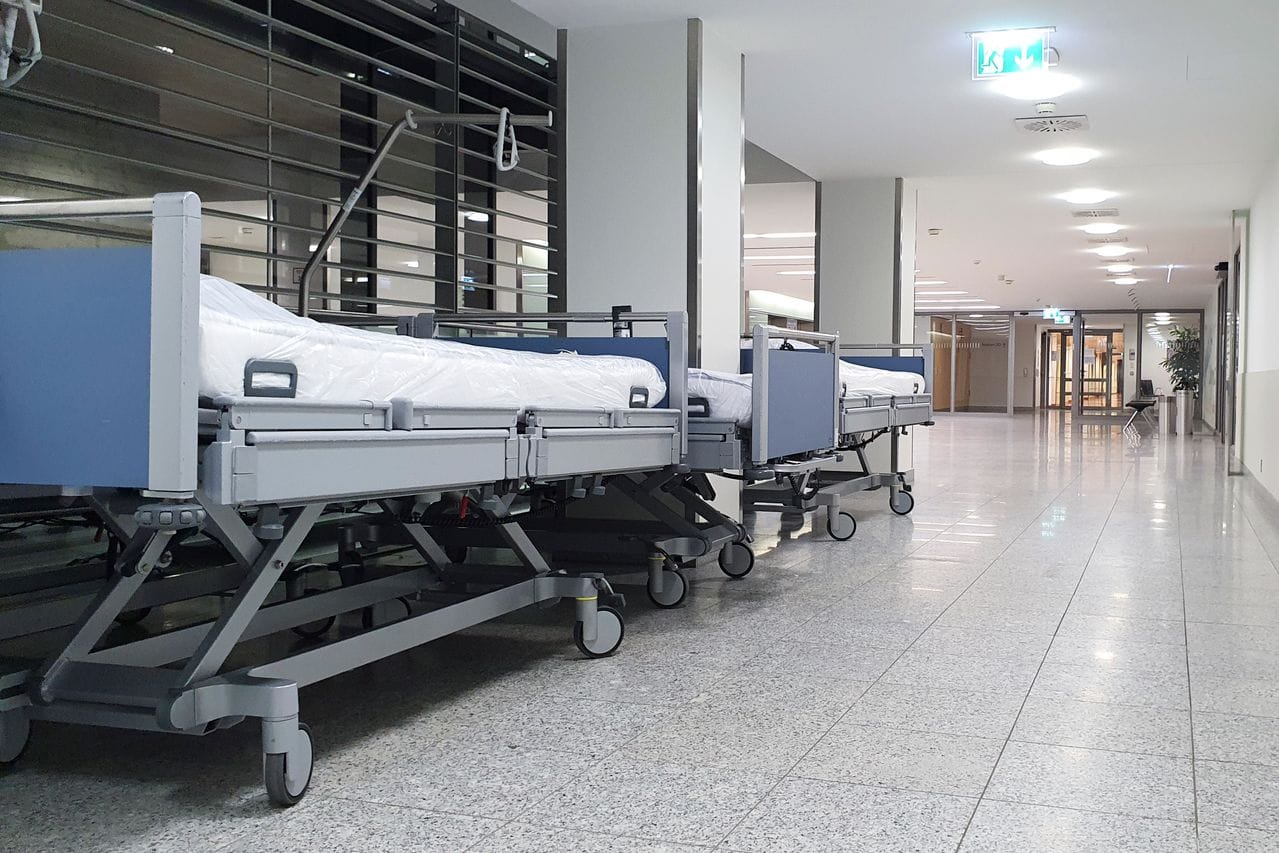
Periodic deep cleaning clinical rooms stripped back, floors machine scrubbed and sealed, walls washed to full height, ventilation grilles and high-level surfaces cleaned, upholstery extracted. Typically quarterly to biannually depending on risk category.
Terminal-style cleaning of a clinical room following a known infection case, using chlorine-based disinfection at appropriate concentration with the room taken out of use until complete.
Outbreak response additional cleaning during periods of norovirus, flu or other transmission in the practice, scheduled at short notice.
Post-refurbishment cleaning before a room or building returns to clinical use. Body fluid spillage response to defined protocol.
Fast Deep Clean Essex
The People We Send
DBS checked
DBS checked every operative, without exception , trained on our short-let checklist, and covered by full public liability insurance. Your property and your guests' belongings are protected.
Healthcare-specific
Healthcare-specific training in infection prevention and control, colour coding, correct disinfection procedure and safe working around
clinical waste and sharps
Confidentiality trained
Confidentiality trained our teams work around patient records, appointment screens and confidential correspondence, and are briefed accordingly
Consistent allocation
Consistent allocation the same operatives attend your site so they learn your layout, your risk zones and your practice's own protocols
Immunisation
Immunisation status confirmed where your practice requires it
COSHH trained
Working under site-specific risk assessments and method statements
Documentation That Survives an Inspection
Facilities We Clean
GP surgeries and health centres, dental practices, private clinics and consulting rooms, physiotherapy and chiropractic practices, aesthetic and cosmetic clinics, diagnostic and imaging centres, pharmacies, opticians and audiology practices, veterinary practices, and therapy and counselling premises. Care home or larger healthcare facility? Those have additional requirements around residents, living areas and continuous occupancy talk to us and we'll scope it properly.
Working Around a Live Practice
Clinical premises can't be cleaned at 11am with a waiting room full of patients. We work before opening, after close, or over lunchtime closures, with midday touchpoint rounds where a practice wants a visible presence between sessions. Where a treatment room needs deep work, we schedule it against your clinic list so the room is out of use at the right time. Our operatives sign in and out, wear identifiable uniforms and ID, and follow your practice's own access, PPE and confidentiality protocols.
Coverage
Areas We Cover Across Essex
The Standard You're Actually Being Measured Against
- Six Functional Risk categories (FR1–FR6), expanded from the previous four, so each area of your building is classified by infection risk and given its own cleaning frequency and audit target. FR1 is the highest risk; FR6 the lowest.
- Efficacy audits inspectors now assess whether cleaning was carried out correctly, not just whether a surface looks clean. Technique, frequency and product selection are all in scope.
- Public star ratings and a Commitment to Cleanliness charter, displayed where patients can see them, covering the whole area regardless of who cleans which element.
Book Now
Book a Free Compliance Survey
FAQs
Frequently Asked Questions
How much does medical centre cleaning cost?
What are the NHS National Standards of Healthcare Cleanliness 2025?
Does CQC inspect cleaning?
What is colour coding and why does it matter?
How often should a GP surgery or clinic be cleaned?
Clinical rooms, waiting areas, washrooms and high-touch points need daily cleaning at minimum, with additional touchpoint rounds throughout the day in busy practices. Higher risk areas such as minor surgery rooms need more. Deeper periodic work floors, walls, curtains, upholstery, high-level surfaces runs quarterly to biannually. Frequencies should be set against each area’s risk category rather than applied uniformly across the building.
Can you clean during opening hours?
Can you take over from our current cleaner without disruption?
Do you handle clinical waste?
Are your cleaners DBS checked and trained for healthcare?
What happens after a confirmed infection case in a treatment room?
Do you clean curtains and blinds?
Can you provide the records we need for an inspection?
Do you clean dental practices and veterinary surgeries?
Compliance you can evidence, not just claim.
Book a free compliance survey and get a written, risk-classified cleaning specification for your practice.